


There are moments on safari that change how you think about wildlife. Watching a lion hunt is thrilling. Sitting a few meters from a mountain gorilla, meeting its eyes, and realizing how much of yourself you can see in it is something else entirely. Primate safaris offer exactly this kind of encounter. They are slower, more intimate, and more emotional than a typical game drive, and they take place in some of the most beautiful forests on the continent.
This guide explains what a primate safari involves, which species you can see and where, how permits and prices work, how to prepare physically, and how to plan a trip that combines primates with classic wildlife viewing. Permit prices and rules change, so confirm current figures with your operator before you book.
What Is a Primate Safari?
A primate safari is a trip built around seeing wild primates in their natural habitat, usually on foot. Instead of driving across open plains, you hike through forest with a ranger and trackers, searching for a habituated group. Habituated means the animals have been gradually accustomed to the presence of humans over months or years, so they can be observed at close range without being disturbed.
Compared with a classic safari, a primate trip differs in several ways:
- It is on foot. Treks can last from under an hour to several hours over uneven, muddy terrain.
- Groups are small. Visitor numbers are tightly limited to protect the animals.
- Time is regulated. Encounters are typically limited to about an hour once the group is found.
- Permits are required. Access is controlled and often costly, which funds protection and local communities.
- The focus is behavior. You watch feeding, grooming, play, and family interaction at close range.
The Main Primate Species You Can See
Mountain Gorillas
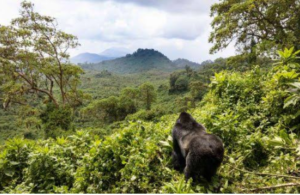
Mountain gorillas live only in a few forested mountain areas of East and Central Africa, in the Virunga region and Uganda’s Bwindi Impenetrable National Park. They remain endangered, though decades of conservation work have helped their numbers grow. Gorilla trekking is the headline experience on most primate safaris, and published sources report a very high sighting success rate, around 98 percent, since trackers follow the groups daily.
Chimpanzees
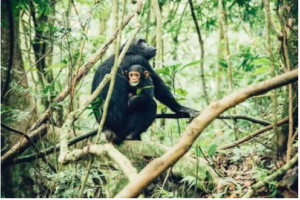
Chimpanzees are found across several countries. In Uganda, Kibale Forest is famous for chimp trekking and for its variety of primates, and other sites include Budongo and Kyambura Gorge. In Rwanda, Nyungwe Forest offers chimpanzee tracking. In Tanzania, the remote Mahale Mountains and Gombe Stream on Lake Tanganyika offer chimpanzee trekking in a lakeside setting. Chimps are fast, active, and noisy, so encounters feel very different from the calm of gorilla viewing.
Golden Monkeys
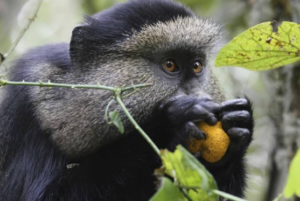
Found in the Virunga volcanoes, golden monkeys are lively, acrobatic, and photogenic. Golden monkey trekking, often offered in Rwanda and Uganda, is a good add-on for travelers who want a shorter, less strenuous primate experience.
Colobus and Other Monkeys
Black-and-white colobus, red colobus, blue monkeys, vervet monkeys, baboons, and many other species are easy to find in forests and reserves across East Africa. Tanzania’s Udzungwa Mountains and Zanzibar’s Jozani Forest are good places for colobus and other forest primates.
Bonobos
Bonobos live only in the Democratic Republic of Congo. Viewing is rare and logistically complex, so it suits specialist travelers.
Where to Go: The Best Primate Safari Destinations
Uganda
Uganda is the most versatile primate destination. It offers mountain gorillas in Bwindi and Mgahinga, chimpanzees in Kibale and other forests, and a wide range of other primates. It also offers classic game viewing in Queen Elizabeth National Park, including tree-climbing lions in some areas, which makes it easy to combine primates with a traditional safari. Many travelers consider it better value than Rwanda.
Rwanda
Rwanda offers a polished, efficient experience. Volcanoes National Park, about three hours from Kigali, is the base for gorilla and golden monkey trekking. Nyungwe Forest adds chimpanzees and a canopy walkway. Rwanda suits travelers who value shorter transfers and a luxury-oriented setup, and it pairs well with Akagera National Park for classic wildlife.
Democratic Republic of Congo
Virunga National Park offers gorilla trekking at a lower permit price, but access depends on security conditions, which can change. Travel here requires careful research, up-to-date advice, and a highly experienced operator.
Tanzania
Tanzania’s primate offering is different, focusing on chimpanzees rather than gorillas. Mahale Mountains and Gombe Stream are remote and rewarding, usually reached by light aircraft and boat. Udzungwa and Zanzibar add colobus and other forest primates. Tanzania has no mountain gorillas, so a combined trip with Rwanda or Uganda is needed to see them.
Permits and Prices
Primate permits are the biggest single cost, and they are set by the relevant wildlife authorities. As of the 2026 figures reported by operators:
- Rwanda gorilla trekking: about $1,500 per person for foreign non-residents.
- Uganda gorilla trekking: about $800 per person at the standard rate, with a lower rate of about $600 reported for low-season months such as April, May, and November.
- Uganda gorilla habituation experience: about $1,500 per person, with a longer time of around four hours with the gorillas.
- Uganda chimpanzee trekking: about $250 per person at the published tariff, with higher-cost habituation experiences also available.
- DRC gorilla trekking: about $400 per person, subject to security and access conditions.
Each gorilla permit usually covers park entry, ranger guides, and one hour with the gorillas, but it does not cover lodging, transport, meals, porters, or tips. Uganda’s tariff has been issued for set periods, so check the rate that applies to your actual travel date, and confirm that the permit includes what you expect. Permits are limited and can sell out, so book early, especially for the dry seasons.
Best Time for a Primate Safari
Dry seasons (roughly June to September and December to February) are generally the most comfortable for trekking, because trails are less muddy and easier to walk. They are also the busiest, so permits sell out earlier.
Wet seasons (roughly March to May and October to November) bring rain and slippery trails, but lower prices in some cases, fewer visitors, and lush forest. Primates are still found year-round, because the forests are home to them in every season.
For combined trips with Tanzania’s migration, July to October is a popular overlap, and it also falls within the dry season in the primate regions.
How Hard Is It? Fitness and Preparation
Gorilla treks. They range from short walks to several hours of steep, muddy hiking at altitude. You can ask for a trek to be matched to your fitness, and porters are available to carry bags and help on difficult sections. Hiring one also provides valuable local income.
Chimpanzee treks. Chimps move quickly and range widely, so treks can be demanding, though the terrain is often gentler than at gorilla sites.
Preparation tips:
- Build stamina with hill walking in the weeks before you go.
- Break in sturdy waterproof hiking boots.
- Pack long trousers, a waterproof jacket, and gloves for gripping vegetation.
- Bring insect repellent, sunscreen, and a daypack with water.
Rules and Ethics
Protecting primates, which are vulnerable to human diseases, means strict rules apply.
- Minimum age. Gorilla trekking commonly requires visitors to be at least 15 years old, and chimpanzee trekking often has a lower limit, so check the rules for each site.
- Keep your distance. Guides typically require visitors to stay several meters from the animals.
- Do not trek if ill. Even a cold can endanger gorillas, and ill visitors may be refused entry.
- Wear a mask where required, and follow guide instructions.
- No flash photography, and keep your voice low.
- Do not eat or drink near the animals.
- Group size is limited, commonly to around eight visitors for each gorilla family per day.
These rules protect the animals and keep encounters safe for everyone.
Combining Primates with Other Safari Experiences
Primate safaris pair well with other trips.
- Uganda: Combine gorillas and chimps with game drives in Queen Elizabeth National Park or Murchison Falls.
- Rwanda: Add Akagera National Park for classic wildlife, and Lake Kivu for rest.
- Tanzania: Pair chimpanzee trekking in Mahale or Gombe with a northern circuit safari and a beach stay in Zanzibar.
- Cross-border trips: Combine the Serengeti migration with Rwandan or Ugandan gorillas, which suits travelers with ten to fourteen days.
Sample 8-Day Primate Safari in Uganda
- Day 1: Arrive in Entebbe and transfer to your lodge.
- Day 2: Travel toward Kibale Forest.
- Day 3: Trek for chimpanzees in the morning, and explore a nearby swamp or community in the afternoon.
- Day 4: Drive to Queen Elizabeth National Park for a game drive and a boat trip.
- Day 5: Travel to Bwindi Impenetrable National Park.
- Day 6: Gorilla trekking, followed by a rest afternoon.
- Day 7: Optional second activity such as a community walk, then return travel.
- Day 8: Fly home from Entebbe.
Practical Tips
- Book permits first. Build the rest of the trip around your gorilla date.
- Check health and entry rules. Confirm visa rules, vaccinations, malaria precautions, and yellow fever certificate requirements for your route.
- Buy suitable insurance. Choose a policy covering trekking and emergency evacuation.
- Hire a porter. It helps you and the local community.
- Tip rangers, trackers, and porters in line with local custom.
- Be flexible. Weather and animal movement can change plans.
Conclusion
A primate safari offers one of the most personal wildlife encounters in the world. Whether you choose gorillas in Uganda or Rwanda, chimpanzees in Kibale or Tanzania’s Mahale, or the playful golden monkeys of the Virungas, the experience rewards preparation and respect. Book permits early, check current prices and rules, train for the terrain, and follow the guidelines that protect the animals. Combine your trek with a classic safari or a beach stay for a complete East African journey, and you will bring home something rarer than photographs: the memory of looking into the eyes of a wild primate.
Key Takeaways
- A primate safari is a forest trek to see habituated wild primates in small, regulated groups.
- Main species include mountain gorillas, chimpanzees, golden monkeys, colobus, and other monkeys.
- Uganda offers the greatest variety, Rwanda offers a polished and efficient experience, and Tanzania offers remote chimpanzee trekking.
- Reported 2026 gorilla permit prices are about $1,500 in Rwanda, $800 in Uganda, and $400 in the DRC, so check rates for your dates.
- Permits are limited, so book early, especially for the dry seasons.
- Treks demand fitness and preparation, and strict rules protect the animals.
- Primate safaris combine well with classic wildlife viewing and beach stays.
Frequently Asked Questions
- What is a primate safari? It is a trip focused on seeing wild primates, usually gorillas or chimpanzees, on guided forest treks with limited group sizes and regulated viewing time.
- Where can I see mountain gorillas? In Uganda (Bwindi and Mgahinga), Rwanda (Volcanoes National Park), and the Democratic Republic of Congo (Virunga). There are no mountain gorillas in Tanzania or Kenya.
- How much does a gorilla permit cost? Reported 2026 prices are about $1,500 in Rwanda and $800 in Uganda, with lower rates reported in some Ugandan low-season months. Confirm the current tariff for your dates.
- Where can I see chimpanzees? In Uganda’s Kibale Forest and other sites, Rwanda’s Nyungwe Forest, and Tanzania’s Mahale Mountains and Gombe Stream.
- How long do I spend with the gorillas? Usually about one hour once the group is found, though habituation experiences in Uganda allow around four hours at a higher price.
- How hard is gorilla trekking? It varies from short walks to several hours of steep, muddy terrain at altitude. A porter and sturdy boots help, and treks can often be matched to your fitness.
- When is the best time to go? The dry seasons, roughly June to September and December to February, are the most comfortable, though primates can be seen year-round.
- Is there an age limit? Gorilla trekking commonly requires visitors to be at least 15, and chimpanzee trekking often has a lower limit. Check the rules for each site.
- Can I combine primates with a regular safari? Yes. Uganda and Rwanda pair well with game drives, and primates can be combined with Tanzania’s Serengeti and a Zanzibar beach stay.
- Do I need vaccinations or travel insurance? Requirements vary by country and travel history, and a yellow fever certificate may be needed. Consult a travel health professional, and choose insurance that covers trekking and evacuation.